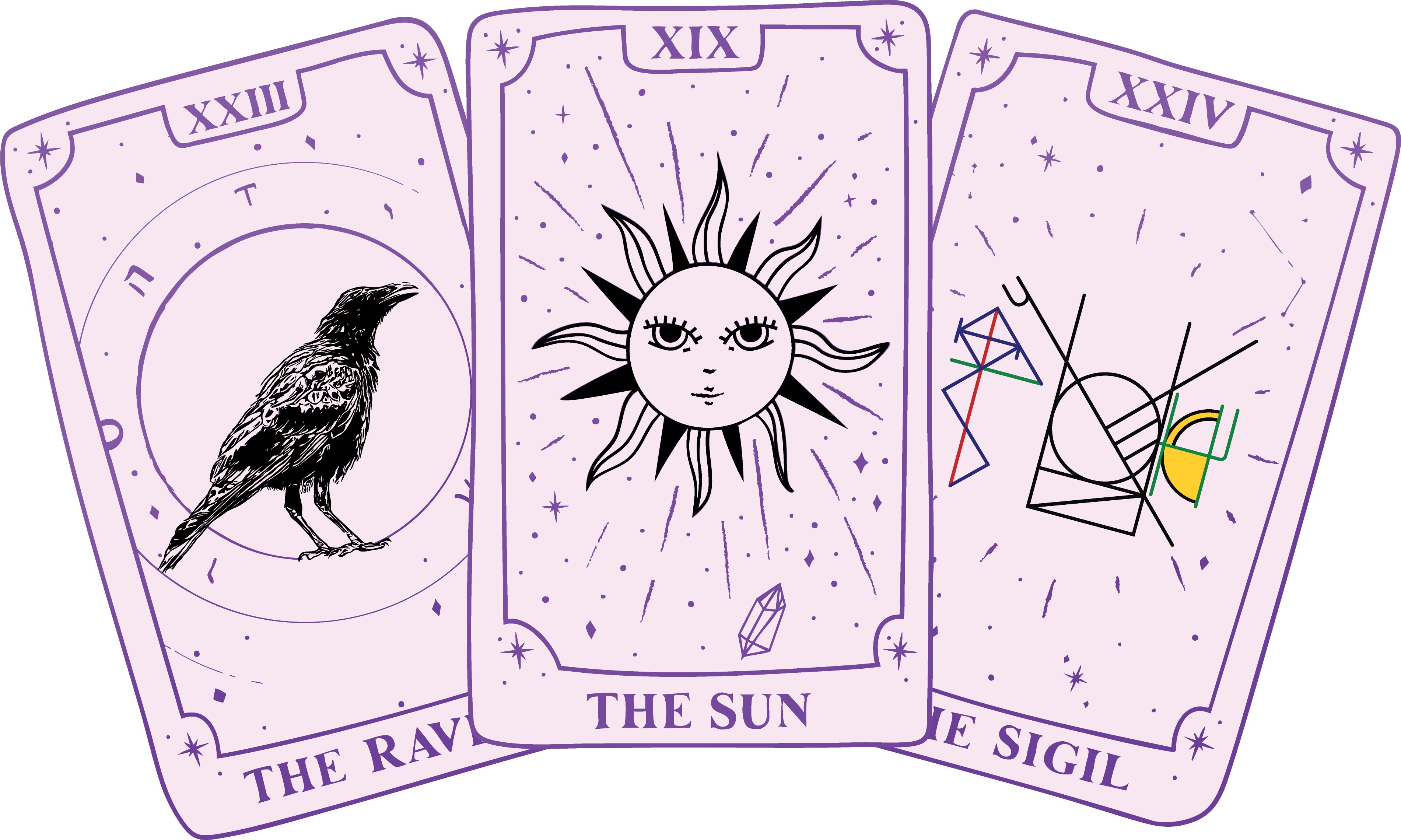

Witchcraft, at its core, is a deeply personal and diverse practice. For many modern practitioners, it’s more than just spellcasting, rituals, or the symbolic images we see in popular media. It signifies a connection to nature, spirituality, and a personal power that transcends conventional religion.
One perspective on witchcraft emphasizes its feminist and liberating qualities. Historically, powerful women have been vilified, and witchcraft has often been a symbol of resistance. Today, witchcraft continues to serve as a tool of empowerment, especially for women reclaiming their identities in a world that has often sought to suppress their voices. In this sense, witchcraft is not only a spiritual path(for everyone), but also a way of embracing one’s autonomy and defying societal expectations.
For some, witchcraft revolves around working with natural elements—herbs, stones, the moon, and even spirits—to influence both inner and outer realities.
However, witchcraft means different things to different people. Some approach it through a religious lens, focusing on devotion to deities, saints, or ancestors, while others see it as a form of folk magic rooted in ancestral traditions. In modern witchcraft, there is often a focus on practices that reject dogma and embrace individual expression, allowing practitioners to reclaim spiritual traditions that resonate with their personal histories and values.
This fluidity is part of what makes witchcraft so appealing to many. It allows for an individualized spiritual journey, where each practitioner defines what works best for them. Whether it’s through spell work, rituals, meditation, or simply honoring the cycles of the moon, witchcraft offers a way to connect with something larger than oneself.
In recent years, the practice has gained mainstream attention, leading to both commercialization and deeper exploration of what it truly means to be a witch. While the rise in popularity has been met with some criticism for its commercialization, it has also allowed more people to explore and reclaim their spiritual identities, free from traditional religious constraints.
Ultimately, witchcraft is a blend of ancient practices and modern interpretations. It can be a solitary journey or a communal one, a form of resistance or a means of healing. But most importantly, it is whatever the practitioner makes of it—a deeply personal expression of their connection to the world around them and the powers they believe shape it.
 Magick with Alex
Leave a comment